Europe is entering a moment of quiet but profound transformation, as the assumptions that shaped decades of peace are being carefully reconsidered. For years, stability on the continent felt almost guaranteed—anchored by alliances, economic integration, and the belief that large-scale conflict belonged to history. Today, that confidence is giving way to a more cautious outlook. Across capitals, leaders are acknowledging that the security environment has changed, and that preparedness can no longer be treated as a secondary concern. What was once discussed behind closed doors is now part of a broader public conversation about resilience, responsibility, and readiness. 🌍
The shift is not driven by a single event, but by a gradual accumulation of pressures that have reshaped how policymakers view risk. Tensions on Europe’s borders, rapid advances in military technology, and a more competitive global landscape have all contributed to a growing sense that deterrence must be actively maintained. Diplomacy remains central, but it is increasingly paired with the understanding that credible defense capabilities are essential to preserving peace, not contradicting it. This marks a subtle but important change—from relying primarily on stability to actively reinforcing it.
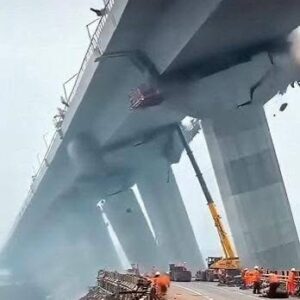
One of the clearest signs of this transition is the steady rise in defense spending and strategic coordination. Governments are investing not only in military equipment, but in the systems that support modern security—cyber defense, intelligence networks, and rapid-response logistics. There is also a stronger push for cooperation, with European countries working to align procurement and standardize capabilities that were once fragmented. Even infrastructure is being reconsidered through a security lens, as roads, railways, and ports are evaluated for how quickly they can support movement in a crisis.
At the same time, the concept of defense is expanding beyond the military itself. European leaders are placing renewed emphasis on societal resilience—the ability of communities, institutions, and economies to withstand disruption and recover quickly. Civil preparedness, once largely overlooked, is returning to policy discussions alongside traditional defense planning. Together, these changes reflect a broader realization: in an uncertain world, security is no longer just about preventing conflict, but about ensuring that nations are ready—militarily, economically, and socially—to face whatever challenges may come.