
Our bodies have a remarkable way of sending signals when something isn’t quite right. While not every symptom is cause for alarm, paying attention to persistent or unusual changes can help catch small health issues before they turn into bigger problems. By staying mindful of these subtle alerts and seeking medical guidance when necessary, you can take proactive steps toward maintaining your overall well-being.
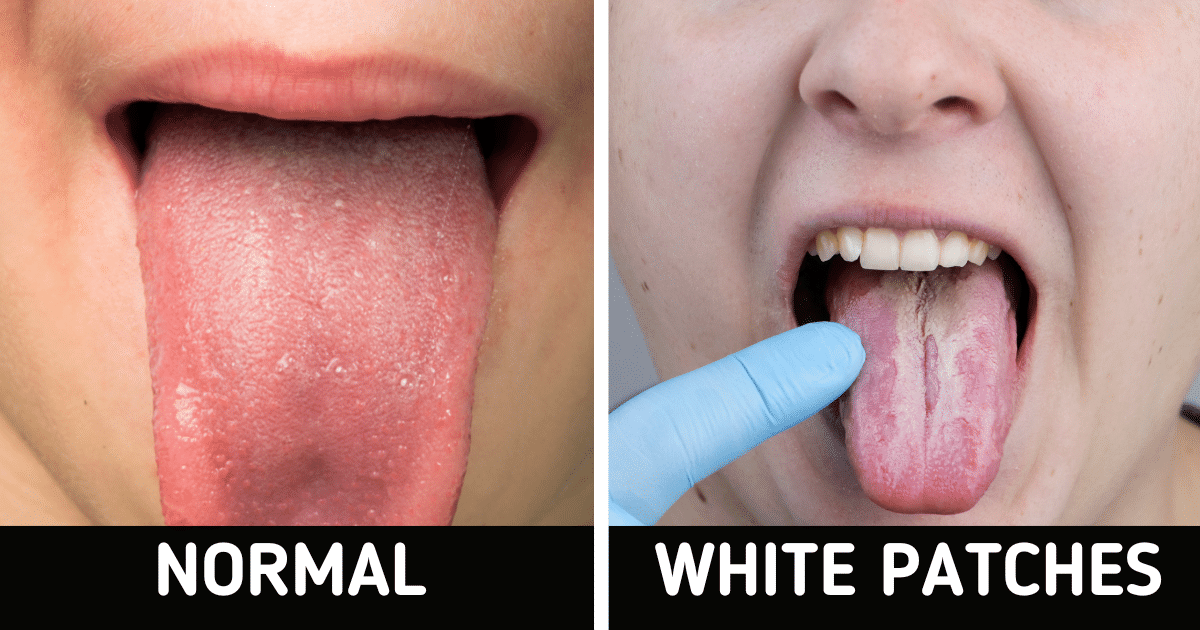
Certain visible changes often offer clues about your internal health. Dandruff paired with noticeable hair loss may point to nutrient deficiencies, hormonal imbalances, or stress. Similarly, hands that suddenly appear overly wrinkled or lose elasticity could indicate dehydration, thyroid issues, or circulation problems. Even the tongue can offer hints—a persistent white coating may suggest oral thrush, particularly in individuals with weakened immune systems or diabetes. Skin rashes, while sometimes harmless, can signal allergies, infections, or irritants and should be checked if they worsen or become painful.

Other bodily signals are less obvious but equally important. Swollen ankles can result from circulation issues, thyroid disorders, or prolonged standing, while chronic dry or burning eyes may be linked to autoimmune conditions or environmental factors. Persistent bloating could point to food intolerances or digestive sensitivities, and unexplained bruising may signal vitamin deficiencies or, in rare cases, blood clotting disorders. Even habits like excessive thirst or constant muscle twitches might reveal underlying concerns such as blood sugar imbalances or neurological issues.
Sleep-related changes and overall lifestyle indicators are also worth noting. Chronic loud snoring, for example, may suggest obstructive sleep apnea, a condition that disrupts breathing during rest and requires medical attention. Paying attention to your body, keeping track of unusual symptoms, and maintaining routine checkups with a healthcare professional can help detect problems early and provide reassurance. Listening closely to these cues is one of the most effective ways to safeguard your long-term health.