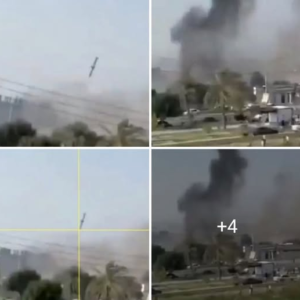
Dubai’s role as one of the world’s busiest aviation hubs was shaken after a drone strike triggered a fuel tank fire near Dubai International Airport, forcing a temporary shutdown and widespread flight disruptions. Authorities confirmed the blaze was contained with no reported injuries, and operations began gradually resuming later the same day. Still, the incident exposed how vulnerable major travel hubs have become amid the intensifying regional conflict.
Now in its third week, the U.S.-Israeli war with Iran has severely disrupted air travel across the Middle East. Large portions of airspace remain restricted due to the constant threat of missile and drone attacks, forcing airlines to cancel, delay, or reroute flights. With the Gulf acting as a critical global transit corridor, the ripple effects have been immediate—ticket prices have surged, fuel costs have climbed, and supply chains, including vital medical shipments, have been strained.
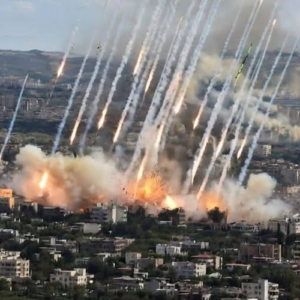
The attack on Dubai airport marks the third such strike since late February, part of a broader wave of over 2,000 missile and drone attacks across Gulf nations. While Iran has stated its operations target U.S. military presence, civilian infrastructure—including airports and ports—has increasingly been affected. Aircraft have been forced into holding patterns or sudden diversions, with some flights redirected mid-landing to alternative locations, underscoring the unpredictable risks facing both airlines and passengers.
Despite limited signs of recovery, with some carriers cautiously restarting routes, the aviation sector remains under heavy pressure. Flight volumes are still significantly below normal levels, and cancellations continue across multiple international airlines. Tourism, a major economic pillar in the region, is taking a substantial hit, while air freight costs on certain routes have surged dramatically. As the conflict shows no clear sign of easing, the stability of one of the world’s most critical aviation corridors remains uncertain.