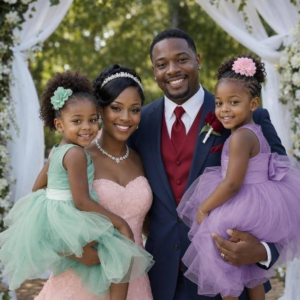
For most of her childhood, Lindsey quietly wondered why she looked so different from everyone else in her family. Her parents and siblings had dark hair, darker features, and similar facial traits, while Lindsey stood out with bright blonde curls and lighter coloring. Family members often dismissed it as genetics, saying traits can skip generations. Still, the questions followed her everywhere, especially as classmates began pointing out how little she resembled her parents.
As Lindsey got older, curiosity slowly turned into frustration. She repeatedly asked her parents if she could take a DNA or ancestry test, hoping it might explain why she felt so different. Each time, the answer was no. The refusal only made her more determined to understand where she came from. According to relatives close to the family, Lindsey struggled emotionally with feeling disconnected, especially after years of teasing and uncomfortable questions from people around her.
Everything changed when a DNA test finally revealed a hidden family truth. The results showed that Lindsey shared a biological connection with her father, but not with the woman who had raised her as her mother. Years earlier, her father had reportedly had a child with another woman, and difficult family circumstances led to Lindsey being raised within the household without fully knowing her story. The revelation shocked everyone and left Lindsey trying to process a reality she had never imagined.
Family experts say stories like Lindsey’s are more common than many people realize, especially now that DNA testing has made hidden family connections easier to uncover. Psychologists often explain that questions about identity can become especially important during teenage years, making honesty and trust critical in family relationships. While learning the truth gave Lindsey answers she had wanted for years, it also opened emotional conversations that no one in the family had been fully prepared to face.