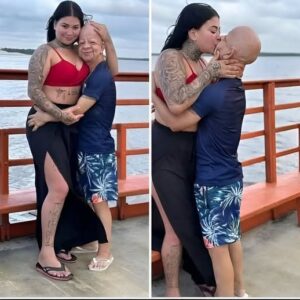
A face covered in tattoos or dramatically stretched piercings can make you look twice. But that first glance tells you little about the person behind them. What seems extreme to an observer may feel deeply familiar to someone who finally sees their own tastes and identity reflected in the mirror.
There is no single reason people choose body modifications. A tattoo might commemorate someone they lost, celebrate a milestone or simply feature artwork they love. A piercing might carry cultural significance or be an aesthetic choice. Not every change needs a painful backstory to have value.
Consider Sarah, the illustrative character in the supplied story. After years of feeling overlooked, she begins choosing tattoos and piercings that reflect her experiences. Other people notice the transformation, but what matters to her is feeling more comfortable with how she presents herself.
That freedom exists alongside practical responsibility. Different modifications involve different levels of risk, permanence and aftercare. Anyone considering a change deserves clear information about the procedure, the practitioner’s qualifications and what healing involves, without promises that professional care eliminates every risk.
The most revealing question may be what makes strangers assume they understand someone from their appearance. Tattoos cannot tell you whether a person is kind, dependable or thoughtful. Sometimes, the story behind an unusual look is meaningful. Sometimes, the person simply likes it. Both leave plenty of room for respect.