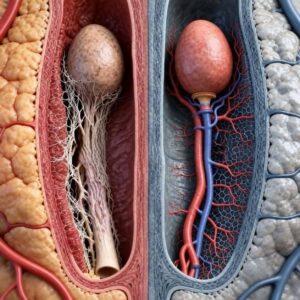
Sensational headlines often make bold claims about older women’s bodies, but the reality is far more interesting than the clickbait. Aging can bring changes to vaginal health and sexual function, yet there is no single experience shared by every woman. Hormones, childbirth, genetics, lifestyle, and general health all play a role.
One major factor is menopause. As estrogen levels decline, vaginal tissues may become thinner, less elastic, and less naturally lubricated. Some women experience dryness, irritation, or discomfort during intimacy, while others notice very few changes.
But what about the popular claim that the vagina becomes permanently “loose” with age? This is a misconception. The vagina is naturally elastic, and changes in pelvic floor muscle strength can be influenced by aging, pregnancy, childbirth, and other factors—not simply by the number of birthdays someone has celebrated.
There is also good news: many older women continue to enjoy satisfying intimate relationships. Lubricants, vaginal moisturizers, pelvic floor exercises, and appropriate medical treatments can help address certain age-related changes. Intimacy, communication, and overall well-being remain important at every stage of life.
The biggest takeaway? Getting older does not mean losing vaginal health, comfort, or sexual enjoyment. Every woman’s body is different, and persistent dryness, pain, or unusual symptoms deserve attention from a healthcare professional rather than embarrassment or silence.