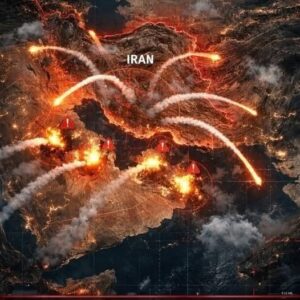
A recent prediction from a figure often dubbed the “Chinese Nostradamus” has stirred online debate, claiming to foresee how a potential U.S.–Iran conflict could conclude. The statement quickly gained traction on social media due to its dramatic tone and ominous imagery, prompting reactions ranging from skepticism to genuine concern. While some dismissed it as mere speculation, others were unsettled by the boldness of the claim and the attention it drew amid already tense global politics.
Tensions between the United States and Iran have a long, complicated history marked by sanctions, diplomatic disputes, and occasional military escalations. Because of this context, any prediction regarding a possible confrontation naturally captures public interest. The dramatic framing of the claim, combined with the so-called prophet’s nickname, has amplified its reach, fueling widespread discussion online.
Supporters compare the man to Nostradamus, citing past predictions they believe came true, while critics argue that his forecasts are vague and easily interpreted after events unfold. In the scenario he described, a conflict would escalate across multiple nations and cause significant geopolitical consequences before reaching a resolution. Experts caution, however, that real-world conflicts are influenced by political decisions, diplomacy, and international cooperation, not preordained visions.
The viral spread of the prediction underscores how quickly sensational claims can capture attention during periods of global uncertainty. Whether viewed as a genuine forecast or just another internet rumor, the episode highlights the influence of speculation on public perception and online narratives about international relations. In a time of heightened geopolitical tension, even unverified predictions can shape conversations and amplify anxiety worldwide.