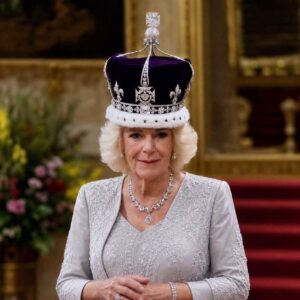
After fifty years together, the marriage was officially ending. They signed the divorce papers that morning, leaving behind decades of memories and a silence neither knew how to fill. Their lawyer suggested coffee afterward, perhaps as a small gesture of closure. But even there, Charles did what he had always done: he ordered for his wife without asking what she wanted. That familiar habit suddenly felt unbearable.
“This is exactly why I can’t do this anymore,” she said, rising from the table. She walked out into the bright afternoon, determined not to look back. When Charles called repeatedly that evening, she let the phone ring. For the first time in years, the silence felt like freedom.
Then another call came—this time from their lawyer. His voice was unusually serious. “It’s not about the divorce,” he explained. “Charles collapsed after you left. He’s had a stroke, and he’s in intensive care.” In an instant, the anger and relief she had felt earlier gave way to fear. She rushed out the door.
At the hospital, she found Charles lying in a bed surrounded by machines. His daughter, Priya, stood beside him, her eyes red from crying. When she saw the woman approaching, Priya quietly whispered, “I didn’t know who else to call.”
Suddenly, fifty years of shared history seemed impossible to leave behind so easily. The divorce papers were signed, but the future had become uncertain. And as she stood beside the man she had just decided to leave, one question remained: Was this truly the end of their story, or the beginning of something neither of them had expected?