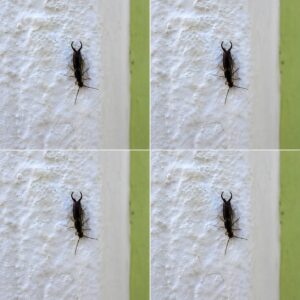
At first glance, it looked like nothing more than a tiny piece of dust or debris lying on the floor. But something about its unusual shape and rough texture caught my attention. It didn’t look quite like ordinary dirt, and the more closely I examined it, the more curious I became. Could something so small actually be hiding a surprising secret?
After investigating, I discovered that it was likely a case-bearing moth larva, commonly known as a plaster bagworm. These tiny creatures create protective cases around themselves using materials collected from their surroundings, including dust, hair, and small fibers. What looks like a random piece of debris may actually be a little creature’s carefully constructed shelter!
Even more fascinating, the larva carries its homemade case as it moves around. The covering helps protect its soft body while it develops, turning ordinary household materials into a portable hiding place. It’s a remarkable example of how even the smallest creatures have their own ways of adapting to the world around them.
The discovery completely changed how I saw that strange little object. Something that initially looked unpleasant turned out to be a fascinating glimpse into nature’s survival strategies. Of course, finding these cases indoors can sometimes indicate that tiny household pests are present, so it’s worth checking nearby areas if you spot several of them.
The next time you notice something unusual on your floor, take a closer look before dismissing it as dust. You might discover a tiny piece of nature hiding in plain sight. Have you ever found a strange object in your home that turned out to be something completely unexpected?