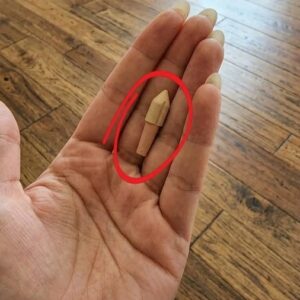
A snakebite can happen in a split second, and one of the most frightening things is that the wound may look almost harmless. There may be little pain, no obvious swelling, and only a tiny puncture mark. But appearances can be misleading. In Australia, where several snake species can deliver dangerous venom, knowing what to do in the first few minutes could make a life-saving difference.
The first rule is simple: call emergency services immediately. In Australia, dial 000 and request an ambulance. Do not wait for symptoms to appear or assume the bite is harmless. Keep the person as still and calm as possible, because unnecessary movement can help venom travel through the lymphatic system. If someone is bitten while working outdoors, provide emergency responders with an accurate location and clear access instructions.
The second important step is to apply a pressure immobilisation bandage when appropriate. For bites to an arm or leg, use a broad elastic bandage, covering the bite area and extending along the limb, then keep the limb still with a splint. The bandage should be firm without cutting off circulation. Leave it in place until medical professionals advise otherwise. If the bite is on the head, neck, or trunk, follow emergency dispatch instructions rather than attempting to wrap the area.
Just as important is knowing what NOT to do. Never cut the wound, suck out venom, apply ice, or use a tight tourniquet. Do not wash the bite site, as traces of venom may help medical professionals identify the snake. And never try to catch or kill the animal for identification. A frightened snake can bite again, putting another person in danger. If it can be observed safely from a distance, its appearance may be described to medical staff.
Snake encounters are not limited to remote forests. They can happen around farms, gardens, sheds, water sources, and piles of stored materials. Keeping grass trimmed around frequently used areas, controlling rodents, organizing storage spaces, wearing sturdy footwear, and using a torch outdoors at night can help reduce risks. Farmers and outdoor workers should also have accessible first-aid supplies and regular training.
The most important lesson is this: never judge a snakebite by how painful or serious it looks. Some dangerous bites initially produce very few symptoms, and complications may develop later. Prompt medical assessment, correct first aid, and avoiding unnecessary movement are essential. A few minutes of preparation and the right response can make all the difference when an unexpected encounter turns into an emergency.