
A simple animated GIF of black and white dots sliding in opposite directions is rewriting how we think about the brain. Most people instantly see a spinning 3D cylinder. But if your pupils pulse and change size as you watch, it may signal stronger autistic traits. Researchers found this detail-focused reaction lines up with higher scores on autism-trait questionnaires.
The science is surprisingly clear. People higher in autistic traits often lock onto the separate layers of moving dots instead of blending them into one rotating shape. That hyper-focus makes the pupils dilate and constrict with every brightness shift. Neurotypical viewers usually settle into the global cylinder and keep steady pupils. One quick look, and the eyes reveal a real perceptual difference.
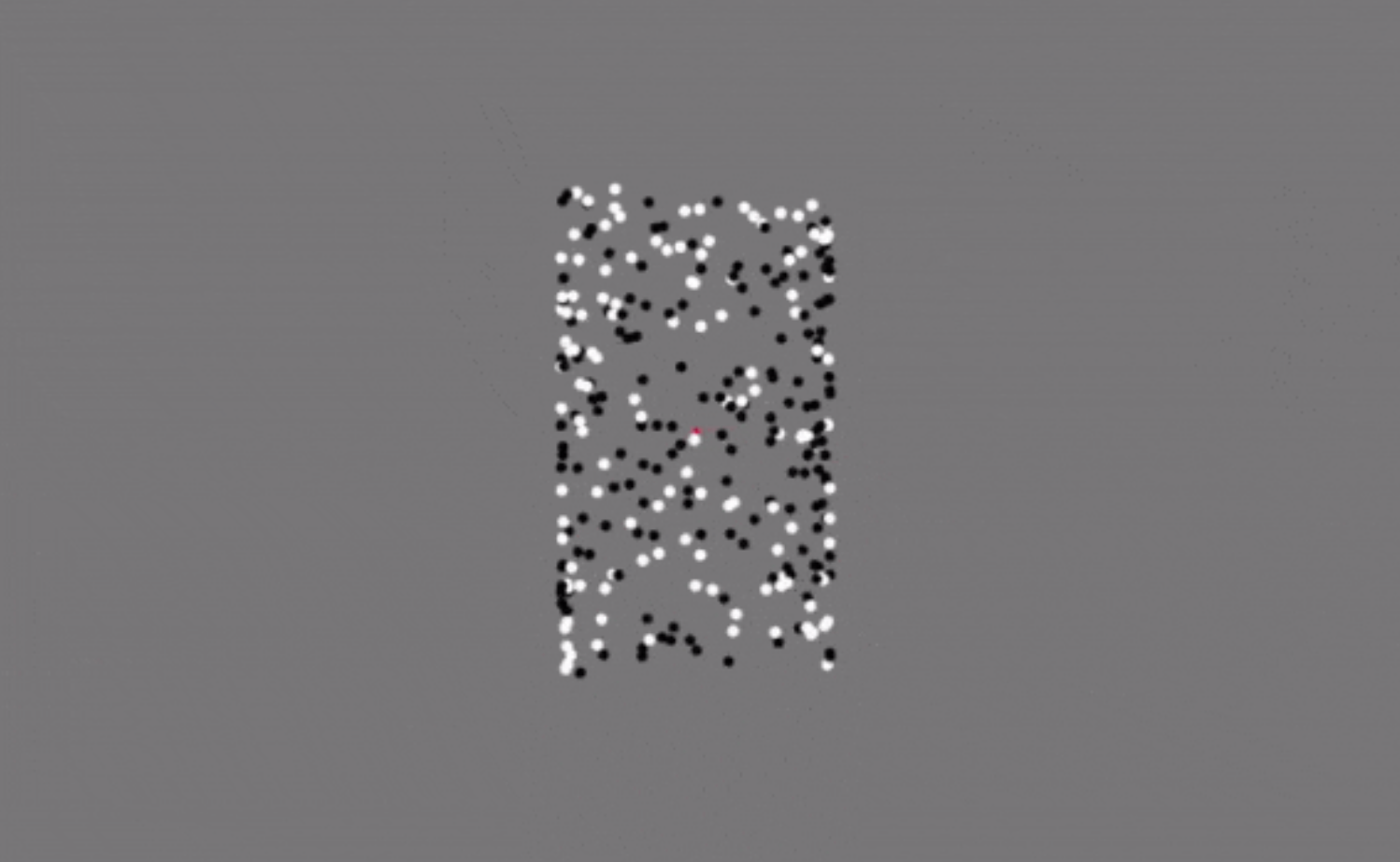
Social media has exploded with the clip. Users film their reactions, declare results, and debate what it means for neurodiversity. Experts stress it is never a full diagnosis — autism is complex — yet the speed and objectivity have sparked huge interest in better early screening tools.
Stare at those dots for a few seconds and watch what your eyes do. Whether you see the elegant cylinder or the busy separate sheets, you’ve just experienced how differently human minds can work. Share it, test your friends, and prepare for the comments to light up. The brain has never looked more fascinating.