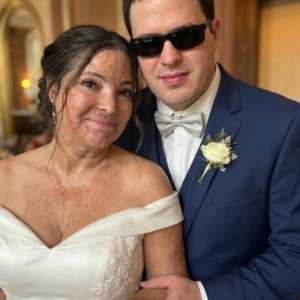
A recent banking incident in Rio de Janeiro has drawn national attention, raising urgent questions about the protection of vulnerable individuals and the responsibilities of both caregivers and institutions. The situation involved a woman, Erika de Souza Vieira Nunes, accompanying her elderly relative, Paulo Roberto Braga, to a local bank branch. Reports indicate that bank staff grew concerned when Braga appeared unresponsive and unable to meaningfully engage in the transaction, prompting them to halt the process and contact authorities.
The case underscores the importance of informed consent in financial matters. Banks have a duty to ensure that clients understand transactions, participate voluntarily, and are capable of making decisions. Staff observations—including Braga’s lack of response and minimal movement—highlighted irregularities that could have led to a serious ethical breach had the transaction proceeded. Local authorities were called in to evaluate his health and confirm his capacity to consent, reflecting standard protocols for protecting potentially vulnerable individuals.
Beyond institutional responsibilities, the incident draws attention to caregiving ethics. Family members and professional caregivers are expected to prioritize health and safety, respect autonomy, act in good faith, and avoid conflicts of interest. Situations like this one illustrate the delicate balance between providing assistance and protecting the rights of older adults, while also highlighting the importance of vigilance when handling financial or legal matters on their behalf.
Public reaction has been widespread, with discussions on social media emphasizing the need for stronger safeguards for the elderly, ethical caregiving practices, and institutional awareness. Globally, as populations age, cases like this highlight the importance of proactive measures: enhanced verification processes, targeted staff training, and technological tools to confirm identity and consent. While investigations continue, the incident serves as a reminder of the critical role institutions and caregivers play in safeguarding vulnerable adults.